Step Off the Platform into History
Today we explore Historic Old Towns by Train: Self-Guided Walking Routes from the Station, celebrating the simple joy of stepping from a carriage into centuries of memory. Expect easy starting cues, evocative detours, and stories you can follow independently, confidently, and at your own unrushed pace. Share your discoveries, comment with your favorite station approaches, and subscribe to receive fresh station-to-square journeys delivered with practical tips and delightful serendipity.

From Platform to Cobblestones: Your Confident Start

The moment train doors slide open, your senses become the guide: echoes of announcements, faint church bells, and the scent of bread from a nearby bakery. We will turn these first impressions into direction, choosing calm exits, spotting historic spires, and setting an intuitive path. With luggage-light freedom, lockers in mind, and water refilled, your walk begins smoothly, inviting curiosity to lead while keeping return timing effortless.

Ramparts and Ring Walk

Begin toward the nearest surviving wall section, even if only fragments remain. Walking the ring reveals how the city once breathed: where gates funneled travelers, where merchants clustered, where gardens still fold around bastions. Use tree-lined promenades for comfort and wayfinding, then dip through an arch into a pocket square. From there, rejoin the ring at a new point, tracing past defenses as living, everyday edges.

Market to Monastery Line

Markets whisper practical history. Start at a produce square where stallholders banter and weigh fruit. Then follow the spice scents uphill toward a cloister or church, mapping the ancient journey from trade to contemplation. Notice water sources, covered loggias, and niches for small processions. Your line becomes a gentle gradient of purpose, revealing how daily needs and spiritual rhythms once braided seamlessly through streets still comfortably walkable today.

Riverside Merchants’ Arc

If the town hugs a river, complete a broad arc from station to quay, tracing warehouses reborn as cafés and workshops humming again. Watch for mooring rings and flood markers etched into stone; they speak of risk, resilience, and renewal. Cross a pedestrian bridge for a mirrored view back, then return through narrow lanes, collecting patterns of shutters, painted house signs, and the soft rhythm of water guiding your steps.

Architecture in Close-Up

These walks reward slow eyes. Study what time has stitched together: mortar choices, repaired lintels, reused stones carrying faint inscriptions, and playful carvings set at eye level for passersby. Details become conversation partners, helping you decode ownership, pride, and local materials. By moving gently from the station, you transition from industrial steel into textured layers, noticing how communities continually repurpose, reinforce, and celebrate the fabric that shelters their daily lives.

Station-Side Bakeries and Morning Rituals

Early hours showcase authenticity. Queue behind commuters for pastries shaped by local hands, notice favorite fillings, and observe how coffee is ordered without fuss. Ask for half portions if you want variety. Carry a paper napkin for crumbly corners and wander toward a bench near the old walls. These quick pauses nourish more than hunger, giving you the rhythm of a place before crowds gather and tours begin.

Seasonal Markets and Street Bites

Markets reveal calendars better than guidebooks. Spring herbs, summer berries, autumn cheeses, and winter breads sketch a year’s circle in edible ink. Taste small, pay fairly, and ask stallholders for walking hints; many will point you toward alleys tourists miss. Seek reusable cutlery or compostable wraps. Keep water handy, and leave no trace beyond friendly greetings. The flavors you sample will guide your next delightful detour naturally.

Respectful Tasting and Sustainable Choices

Honor the town by eating mindfully. Avoid crowding tiny counters, return trays, and learn a couple of local phrases. Choose regional products that support heritage methods, and skip disposable trinkets. Check train times before ordering slow dishes so you can savor without rushing. Share your favorite finds with fellow travelers, tagging independent makers. Your appetite, directed with care, strengthens traditions and preserves the welcoming spirit you came to experience.

A Porter’s Tale from 1897

An elderly station volunteer once described how his grandfather, a porter, measured pride by the polish on luggage trolleys. He recalled market women greeting steam with jokes about soot and savings. That family memory redirected our walk toward a modest alley where trolleys once rattled. Suddenly, scuffed stones became soundtracks, and the line on a timetable became a thread weaving work, humor, and steadfast dignity across generations.

Reading Floodmarks and Fire Scars

Watch for high-water plaques mounted at chest height, sometimes etched with dates that shaped policies and customs. Charred timber ends or mismatched roof tiles whisper of fires that forced redesign. When you notice these quiet records, pause and imagine how people adapted, where goods moved afterward, and which doorways survived. That empathy enriches your route far beyond scenery, transforming pretty streets into resilient, instructive classrooms under the open sky.

A Hidden Plaque and Quiet Courage

Some corners honor bravery with understatement: a small plaque beside a shuttered window, flowers refreshed by unseen hands. Read carefully, stand still, and let the street regain its voice. Acts remembered here are not staged for visitors; they live in daily pathways people still take to school, work, and market. Your respectful silence and gentle curiosity turn walking into companionship, connecting present footsteps with the steady heartbeat of gratitude.

Stories Beneath Your Steps

Every station-side walk shelters human voices. Trace whispers of merchants who watched the first locomotive arrive, children who learned bell times before school hours, and workers who rebuilt after floods. Plaques, shop names, and dialect on chalkboards preserve memory in everyday objects. Approach respectfully, ask open questions, listen generously, and you will be gifted narratives that illuminate corners your map considered blank just minutes before.

Practical Tools for Confident Wandering
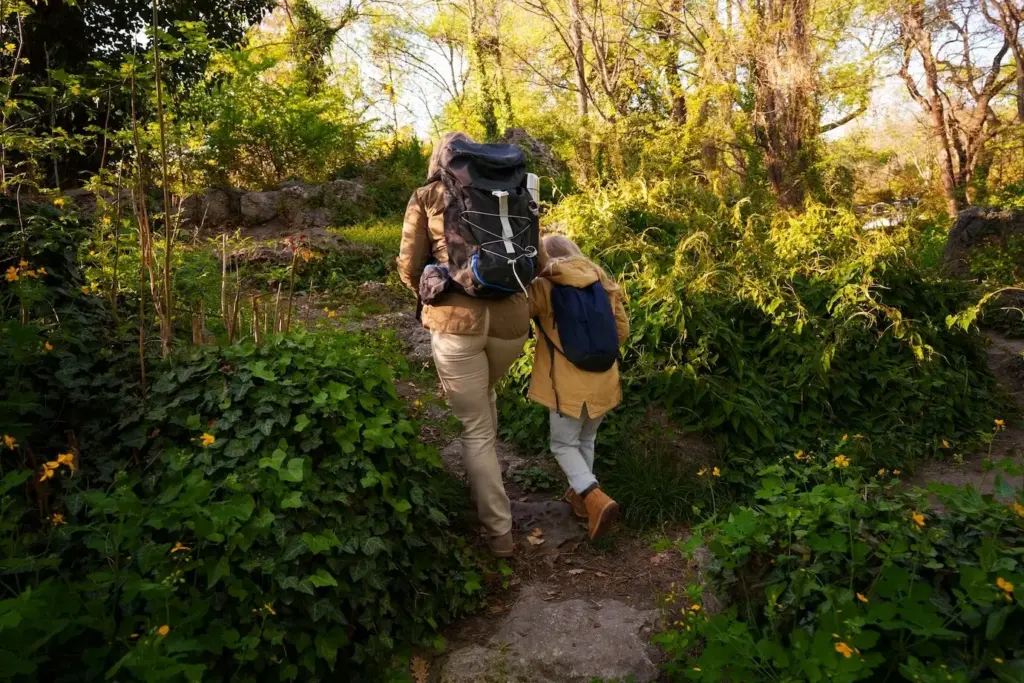
Preparation increases freedom. Download offline maps, star locations, and sketch a loose loop. Save station facilities, lockers, refill taps, and restrooms. Check elevation profiles if hills await. Bring a scarf for church visits, a pen for notes, and a tiny flashlight for dim passages. With flexibility in your pocket and curiosity in your stride, you will spend less time troubleshooting and more time savoring serendipity at every turn.
Voxinepovevolitite
Privacy Overview

This website uses cookies so that we can provide you with the best user experience possible. Cookie information is stored in your browser and performs functions such as recognising you when you return to our website and helping our team to understand which sections of the website you find most interesting and useful.